

Why Our Mineral Bath Naturally Changes Color
And Why That’s a Feature, Not a Flaw
If you’ve ever visited a natural hot spring, you may have noticed something surprising:
the water isn’t always clear.
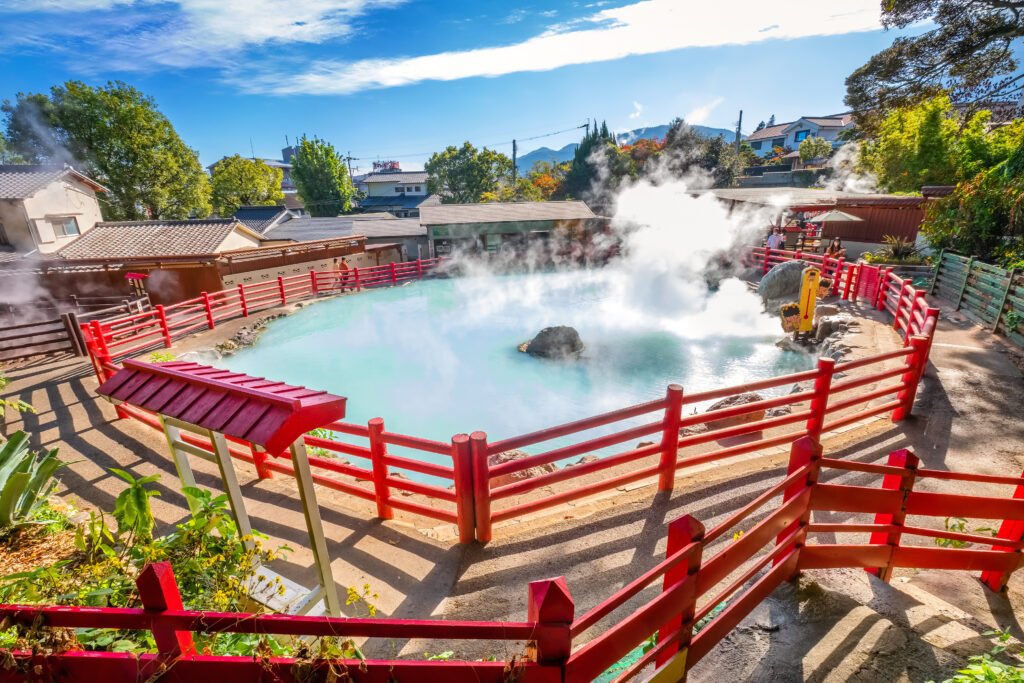
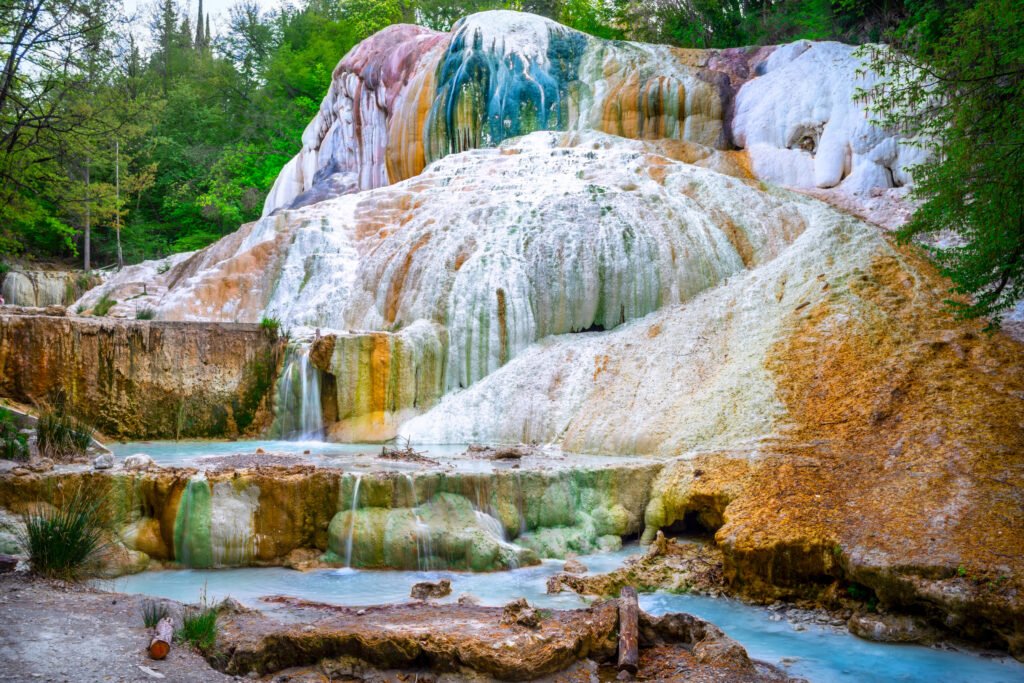
Some springs look milky and opalescent.
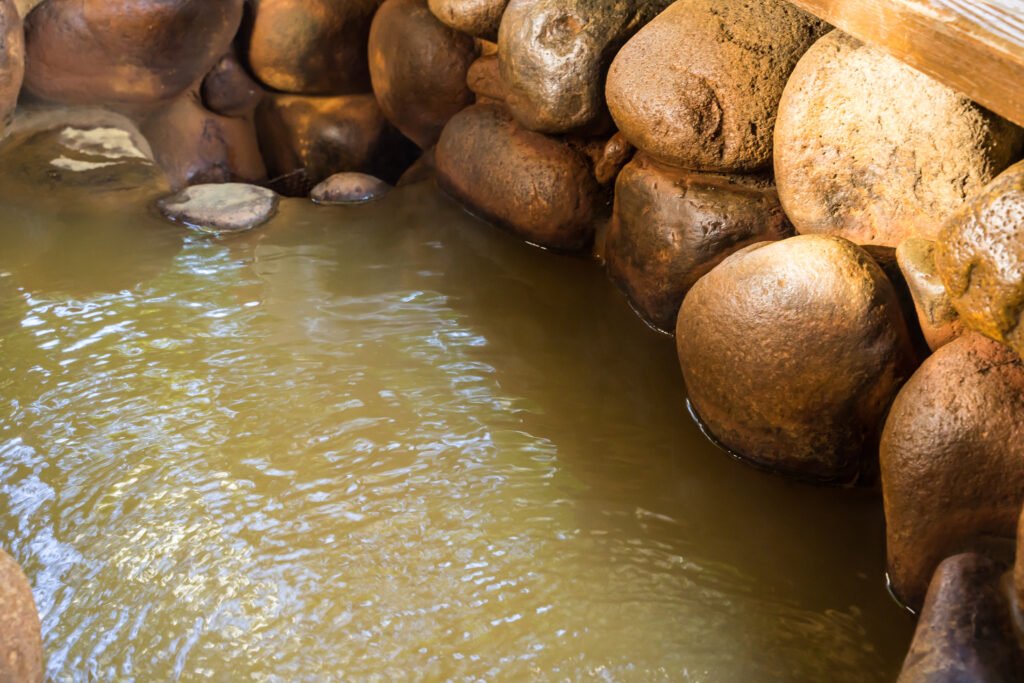
Others glow amber, honey-colored, or tea-toned.
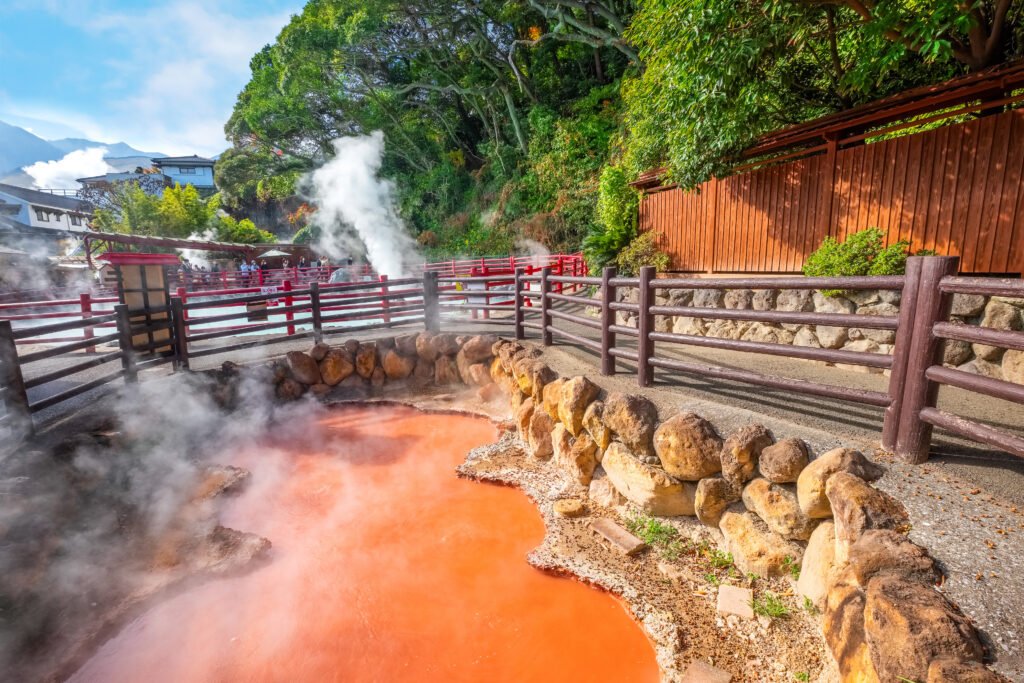
Some appear earthy, reddish, or mineral-rich, especially once the water is disturbed.
These variations aren’t defects — they’re signatures of real mineral water.
At Bloom Botanica, we intentionally designed our mineral bath soak to behave the same way. And along the way, we discovered something important about how minerals interact with air, time, and water.
The philosophy behind our blend
We carefully control the blend ratio — selecting and balancing each mineral, salt, and clay with intention.
But once the minerals come together, we don’t force uniformity.
Instead, we let nature do what nature has always done.
That choice is why:
- You may see subtle color variation from bag to bag
- The mineral blend may gently deepen in tone over time
- Your bath water may range from soft milky white to warm amber or earthy hues
This isn’t inconsistency.
It’s authenticity.
Why natural hot springs come in different colors
As groundwater travels deep underground, it moves through layers of rock and mineral deposits. Along the way, it dissolves and carries:
- Mineral salts
- Trace elements
- Clays
- Silica
- Naturally occurring metals like iron and manganese
When that water reaches the surface — and meets air, heat, and movement — those minerals become visible.
That’s why:
- Silica-rich springs often appear milky or opalescent
- Iron-rich springs glow amber, golden, or reddish-brown
- The same spring can look clear one moment and richly colored the next once sediments are disturbed
Color variation is one of the clearest signs that a spring is mineral-dense and alive.
What creates color variation in our mineral blend
Our bath soak uses the same principles found in nature.
1. Real mineral salts provide the foundation
Mineral salts like Dead Sea salt and Himalayan salt naturally contain trace elements, including small amounts of iron. These minerals are stable and safe, but they carry natural color potential.
On their own, salts often look uniform and pale.
2. Natural clays reveal mineral character
We include white clay (kaolin), a naturally occurring mineral clay used for centuries in skincare and bathing.
Kaolin:
- Contains trace mineral oxides
- Absorbs tiny amounts of moisture from the air
- Makes subtle color shifts more visible
It doesn’t create color artificially — it reveals what’s already there.
3. Zeolite allows minerals to express themselves
This is where our discovery happened.
Zeolite is a naturally occurring mineral with a unique, porous structure. That structure gently interacts with air and moisture — the same way minerals do underground in nature.
By including zeolite, we found that:
- Minerals express their natural character more clearly over time
- Subtle oxidation of trace minerals becomes visible sooner
- Each batch develops its own quiet individuality
We didn’t add color.
We allowed natural mineral interaction to occur.
4. Silica shapes how color appears in water
Amorphous silica doesn’t oxidize or change color itself. Instead, it:
- Helps keep minerals softly suspended in water
- Creates a milky or diffused appearance
- Blends earthy tones into a gentle, spa-like aesthetic
Think of silica as the way light moves through mineral water — not the source of the color, but how you see it.
Is oxidation safe?
Yes — completely.
The color changes you see come primarily from iron oxides, which are:
- Naturally occurring
- Chemically stable
- Widely used in cosmetics, clays, and mineral products
- Found in natural hot springs around the world
This is not metal rust, not contamination, and not spoilage.
In fact:
- The oxidation happens before skin contact
- The blend is diluted in a full bath
- The product is rinse-off
- The change is purely cosmetic
Safety and performance remain unchanged.
Why the blend may look different from bag to bag
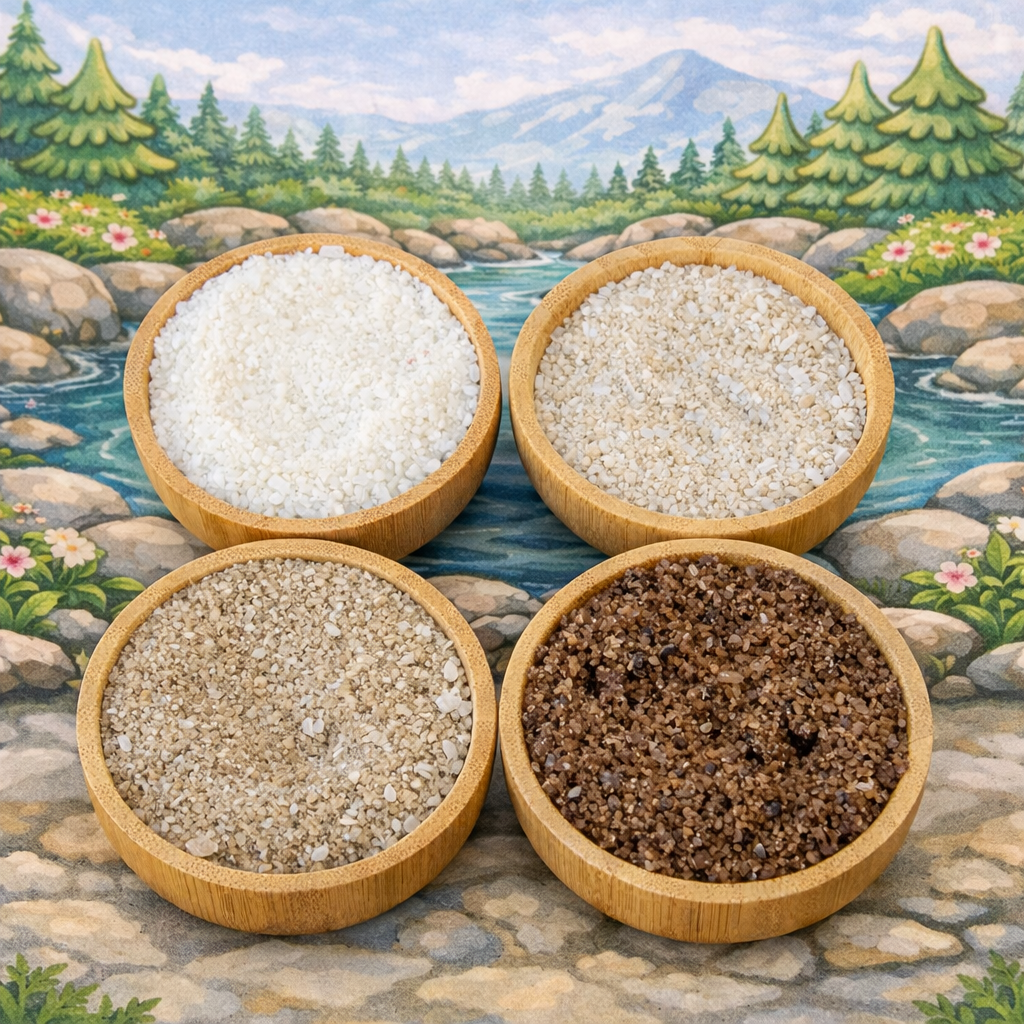
Because we don’t bleach or strip our minerals, each blend reflects:
- Natural variation in mineral sources
- How minerals interact with air over time
- Subtle differences in trace element expression
If every bag looked identical forever, it would mean the minerals had been over-processed.
We chose a different path — one rooted in geology, not uniformity.
Just like a real hot spring
In nature:
- Hot spring water may appear clear until sediments are disturbed
- Color can deepen when minerals are lifted into suspension
- The same spring can look different depending on temperature, light, and movement
Our mineral bath behaves the same way.
When you pour it in, stir the water, and step into the bath, you’re not just dissolving salts — you’re activating a mineral system.
The takeaway
We didn’t design our blend to look the same every time.
We designed it to behave like nature.
We control the craft.
We respect the minerals.
Nature completes the ritual.
That’s why each soak is a little different.
And that’s why each color tells a story.
